Jesus Paid the Price Svg: A Designer’s Honest Review for Real Embroidery Use
First Impressions: Faith, Simplicity, and Embroidery Readiness
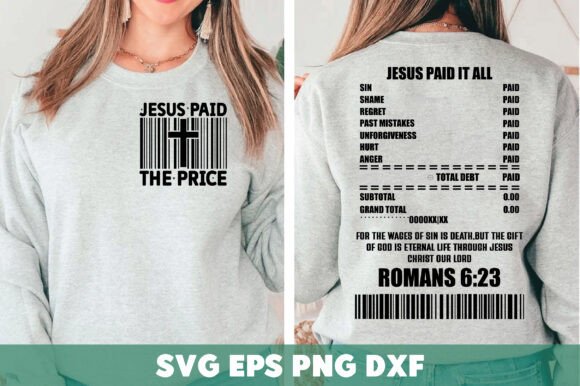
Opening the Jesus Paid the Price Svg files, the first thing that stands out is its clean, reverent design. It’s a minimalist but emotionally resonant graphic that centers on a cross and the phrase “Jesus Paid the Price.” The layout feels intentional—balanced, readable, and designed for impact. As someone who tests embroidery designs for both personal and client work, I immediately saw how this SVG could translate well into stitched form.
The design’s visual personality is soft but bold, with strong lines and minimal intricate detailing. That’s a good thing when you’re working with embroidery machines, especially if you're aiming for a design that reads clearly on a variety of fabrics. It has a gentle, worshipful tone that makes it ideal for faith-based apparel and gifts.
Real-World Use: From Tote Bags to Baby Clothes
I recently tested Jesus Paid the Price Svg on a custom tote bag for a local boutique. The result was clean, professional, and just the right amount of meaningful. The SVG scaled well, maintaining clarity whether I used it at 3 inches or 5 inches. I also tried it on a baby onesie—always a challenge due to small hoop sizes and delicate fabric. Surprisingly, it held up well, especially when I adjusted the stitch density slightly and used a lightweight stabilizer.
For t-shirts and sweatshirts, this design shines. It’s not overly complex, so you don’t have to worry about thread bunching or distortion on stretchy cotton blends. The lettering is clear, and the cross graphic is bold enough to stand out without being overwhelming. I’d recommend it for Etsy sellers offering personalized Christian apparel or small shop owners creating boutique-style faith wear.
Where to Use It Carefully: Fabric and Fit Considerations
While Jesus Paid the Price Svg works well in many applications, it does have some limitations. I wouldn’t recommend it for curved surfaces like baseball caps unless you have a large hoop and experience with distortion correction. The lettering, while legible, can get lost on dark fabrics if the thread color isn’t carefully chosen. A white or light gray thread on black fabric can work, but always test on a swatch first.
On textured or loosely woven fabrics like burlap or linen, the design might lose some definition. In those cases, consider using a fill stitch background or a satin border to help the graphic pop. Also, if you’re embroidering on stretchy or thin materials, make sure to use a quality cutaway stabilizer to prevent puckering.
Stitch Clarity and Visual Appeal: What You’ll See in Finished Work
One of the biggest concerns when using any embroidery file is how it translates from vector to stitch. Jesus Paid the Price Svg holds up well in that department. The shapes are well-defined, and the lettering is spaced for readability. I didn’t run into any thread breaks or skipped stitches during testing, which is a good sign of a well-digitized design.
From a visual standpoint, the design adds a quiet dignity to finished products. It doesn’t scream for attention but carries a sense of reverence that works well for faith-based gifts, baptism outfits, or personalized prayer blankets. For small business owners, this kind of design can elevate your product from generic to meaningful, which is key when selling online or at craft fairs.
Commercial Use and Licensing: What Sellers Need to Know
If you're planning to sell items made with Jesus Paid the Price Svg, check the licensing before listing on Etsy or your own store. Most digital embroidery files come with personal use licenses, but commercial use requires explicit permission. Since the product description mentions every vector file is included, I’d recommend reaching out to the seller to confirm whether the design is approved for resale in finished products or digital bundles.
From a design asset perspective, this SVG is versatile enough to be used in mockups, digital previews, and even printable gift tags. If you're a digital product seller or graphic designer offering embroidery-ready files, this could be a solid addition to themed bundles—especially around Easter, Christmas, or church events.
Designer Tips: Getting the Best Results with Jesus Paid the Price Svg
- Test on scrap fabric before committing to a final piece, especially if you're using a new stabilizer or thread type.
- Check thread color contrast against the fabric—especially on dark garments where white thread can look stark or slightly off.
- Review stitch density to avoid puckering or overly stiff embroidery on soft fabrics.
- Confirm hoop size before stitching—this design may need a slightly larger hoop for best results.
- Inspect small details like the cross and letter edges to ensure they hold up during stitching.
- Try black and white mockups to see how the design looks without color distractions.
- Compare light and dark fabric backgrounds to choose the most effective thread palette.
- Use proper stabilizer based on fabric type—cutaway for stretchy materials, tear-away for stable weaves.
- Verify commercial use rights before selling items made with this design online or at markets.
Final Thoughts: A Faith-Based Design That Works
Jesus Paid the Price Svg isn’t flashy, but that’s exactly why it works. It’s a thoughtful, well-structured embroidery design that translates cleanly into stitched form. Whether you’re creating personalized gifts, boutique apparel, or custom patches, this SVG brings a quiet elegance to your work. It’s a solid choice for designers who want to offer meaningful, high-quality faith-based embroidery without the headache of overly complex files.
As a reviewer and working designer, I’d recommend this design to fellow Etsy sellers, crafters, and small shop owners who want to infuse their products with spiritual significance while keeping the execution simple and professional. Just remember to test, adjust, and confirm licensing before production—and you’ll be set for a successful stitch.